Basic HTML Version


Ireland’s Environment 2012
90
has been relatively high. There is
concern that a significant proportion
of forest plantation in previous
decades was undertaken without
due consideration of the long-term
potential environmental impacts.
Coillte is currently undertaking
research on the rehabilitation of
inappropriately afforested lands
to more sustainable ecosystem
types (Coillte, 2012).
In recent years, there has been a
trend towards plantation on more
appropriate land and soil types
driven primarily by the commercial
requirements for reasonable
productivity and easy access to forest
sites, coupled with an appreciation of
the potential environmental impact.
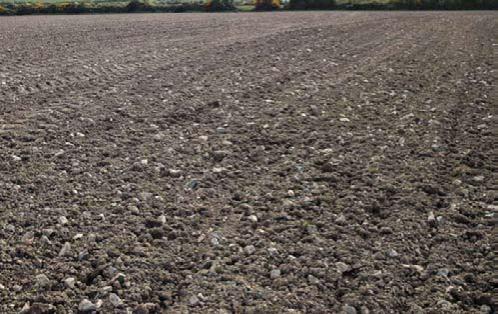
Soil
A healthy soil provides us with clean
air, food and water. It supports the
growth of both plant and animal
life while providing foundations
for human habitats and structures.
This wide range of functions makes
soil one of life’s most important
environmental media, and it should
be afforded the same protection as
air and water. Particular problems
in Europe include loss of soil
organic matter, loss of top-soil due
to erosion or building activities,
contamination and acidification.
Historically, little attention has
been paid to the conservation and
protection of soils. There is relatively
little legislation relating directly to
soil and soil protection. In 2006, the
EU published a Thematic Strategy
for Soil Protection and introduced a
proposed Soil Framework Directive;
this has not yet been finalised.
The 2011 Environmental Impact
Assessment Regulations for On-Farm
Development supports soil protection
in Ireland through the requirements
for environmental impact assessments
for soil operations such as soil drainage.
The historic lack of attention to
soil degradation can be seen not
only in the paucity of legislation
and soil protection targets, but
also in the scarcity of data. Albeit
that the degree of certainty is
low, the general consensus is that
soil quality in Ireland is good. The
long growing season, absence
of extreme temperatures, and
frequent rainfall afforded by our
temperate climate are beneficial
to soil. The lack of heavy industry
in Ireland means that our soils
have not suffered from significant
amounts of contamination. The large
percentage of permanent pasture
land has protected Ireland’s soils
from serious degradation, with the
notable exception of peatlands.
The production of a National Soils
Database (EPA and Teagasc, 2007)